
What to do in South America
French Guiana, nestled on the northeast coast of South America, is an enchanting destination where French heritage meets Caribbean flair. Painted with the lush greens of its extensive tropical rainforests, it promises a rich mosaic of experiences, ranging from immersive historical sites to exciting natural adventures. So, let’s dig in to uncover French Guiana’s unique culture and history, and learn about why it's worth adding to your South American itinerary! Before beginning your trip, make sure you revise the entry requirements for French Guiana to check if you need a visa. If you’re transiting through another country en route with a Transit ETIAS, you should also check how ETIAS will be verified at the airport.
Exploring French Guiana: Ultimate Travel Guide

Share whith yours friends:


Tags:
 Photo / Source
French Guiana, nestled on the northeast coast of South America, is an enchanting destination where French heritage meets Caribbean flair. Painted with the lush greens of its extensive tropical rainforests, it promises a rich mosaic of experiences, ranging from immersive historical sites to exciting natural adventures. So, let’s dig in to uncover French Guiana’s unique culture and history, and learn about why it's worth adding to your South American itinerary! Before beginning your trip, make sure you revise the entry requirements for French Guiana to check if you need a visa. If you’re transiting through another country en route with a Transit ETIAS, you should also check how ETIAS will be verified at the airport. 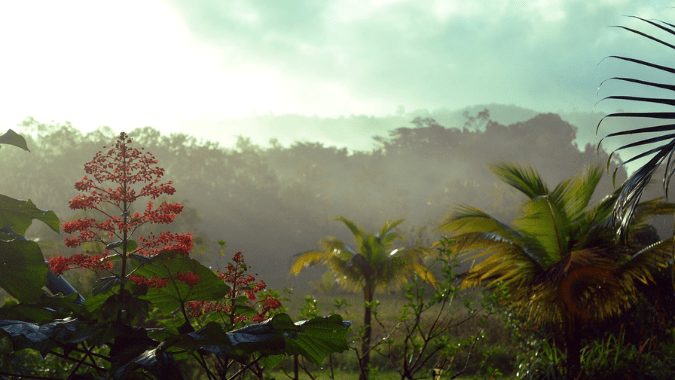 Photo /
 History and Culture of French Guiana
French Guiana has a rich historical and cultural legacy, anchored deeply in its status as a French overseas department. Traces of its colonial history linger in the ruins of the 17th-century Fort Cépérou, which offers a stunning view over the capital city, Cayenne. Brimming with colorful houses, Cayenne’s neighborhoods echo the rhythms of traditional French and Creole lifestyles. Visit the palm-filled Place des Palmistes square and lively street markets to immerse yourself in the vibrant atmosphere of the city. Saint-Laurent-du-Maroni, the second largest city, is also teeming with historic sites. These include the Transportation Camp, a haunting reminder of its past as a penal colony. Kourou, located to the north of Cayenne, is home to the Guiana Space Centre. This is the main spaceport of both France and the European Space Agency (ESA). French Guiana's cuisine is a delightful blend of French culinary arts with Creole influences. Local dishes you should try include meat-based stew Colombos, Awara broth, and a variety of local seafood prepared with spices from the region.Must-visit Natural Attractions in French Guiana
The majority of French Guiana is covered in thick tropical rainforest. As such, it’s home to some of the world's most breathtaking natural sites, including- Guiana Amazonian Park: One of the largest national parks in the world, the reserve aims to protect the part of the Amazon forest that covers over 41% of French Guiana.
- Devil's Island: Once a penal colony, it now welcomes tourists to explore the ruins and enjoy breathtaking ocean views.
- Kaw Mountain: The highest peak in the region promises awe-inspiring vistas of the lush surrounding rainforest.
- Cacao Nature Reserve: A haven for wildlife enthusiasts, home to an abundance of local fauna like monkeys, sloths, and tapirs.
- Maroni River: Taking a boat cruise along this Amazonian river is a great way to see the country’s rainforests. It stretches over 600 km along the border between French Guianan and Suriname.
Cultural Festivals in French Guiana
Aside from its natural allure, French Guiana is also known for its vibrant celebrations. And the biggest event on the calendar is the annual Carnival. This vibrant Afro-Caribbean event takes place from January to March, dates back to the 1600s, and is often considered the longest-running Carnival in the world. The celebrations start on the first Sunday after Epiphany and continue until Ash Wednesday, ending on Mardi Gras. Each year introduces a new theme that guides the design of the grand floats and costumes. A special highlight of the parades includes the Brazilian groups, whose presence mirrors the electric atmosphere of the Rio Carnival. The Carnival also is full of colorful traditional costumes representing local mythical figures, including Touloulous, the elegant Carnival Queen. You can also see her in all her glory later in the evening at the world-famous paré-masked ball.Best Time of Year to Visit and Safety Tips
Embarking on a journey to French Guiana promises an unforgettable experience, but it is essential to plan your trip wisely. The best time to visit for many is the dry season. Spanning from August to December, it generally promises sunny weather and less rainfall, ideal for outdoor exploration. However, it also witnesses a surge in tourist traffic, leading to higher prices and larger crowds. Safety is also paramount while traveling to French Guinana. Although the region offers an abundance of beauty and culture, it is crucial to remain cautious, and:- Avoid isolated areas, especially during the night.
- Refrain from carrying large amounts of cash or valuables.
- Stay updated with the latest travel advisories from reliable sources.
- Always be conscious of your surroundings to ensure a safe trip.
By: Gabriela Kurtz
Share whith yours friends:
Tags:
Search
Popular Tags
-
Iguazu Falls Brazilian Side TourfromUS$46
-
Exciting 4x4 route: São Luís and FortalezafromUS$2,250
-
-
Full Day Cafayate Tour from SaltafromUS$39
-
-
Transfer Ezeiza - AeroparquefromUS$107
-
-
-
-
-
-
-
-
Tierra del Fuego National Park Tour with Optional End of the World Train in UshuaiaRating:100% of 100fromUS$69
-
-
-
-
-
-
-
-
Daytours4u © 2012-2019. Use of this website constitutes acceptance of the Terms & Conditions.
Open Chat
Hello, How May I Help You?