
Buenos Aires
Top Football Stadiums in Buenos Aires

Share whith yours friends:


Tags:
football buenos aires
Visiting the football stadiums in Buenos Aires is a great way to honor the Argentine history of this sport, as well as enjoy the match itself. The football teams in the city and the surrounding areas were and still are the major source of some of the world’s greatest football players. Besides that, these clubs are the major competitors of the continental championship, the Copa Libertadores de América. Below are the top football stadiums to visit in Buenos Aires. ")
") When the Argentina National team plays at Monumental de Nuñez, it shakes from its fanatic supporters / source[/caption]
When the Argentina National team plays at Monumental de Nuñez, it shakes from its fanatic supporters / source[/caption] ![Vélez Sarsfield's true strength | Bsas4u]() El Fortín - the little fortress. Vélez Sarsfield's true strength / source[/caption]
El Fortín - the little fortress. Vélez Sarsfield's true strength / source[/caption] ") Nuevo Gasómetro, where the traditions are kept and the crows take flight over their adversaries / source[/caption]
Nuevo Gasómetro, where the traditions are kept and the crows take flight over their adversaries / source[/caption] ") A stadium with a name like that is destined to grandness / source[/caption]
A stadium with a name like that is destined to grandness / source[/caption]
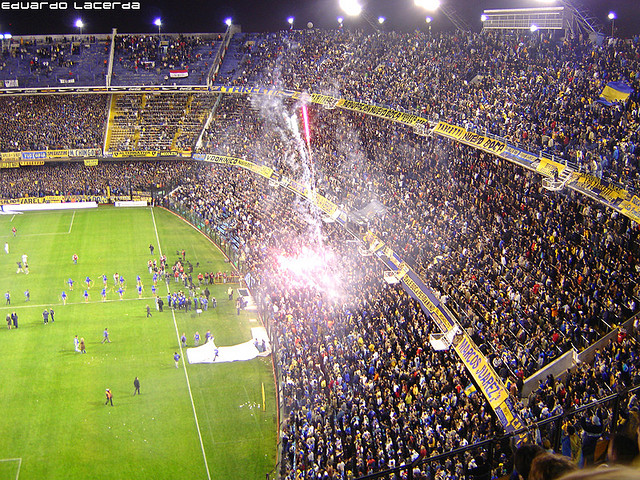
La Bombonera: Home to Boca Juniors
Formerly known as the Estadio Camilo Cichero, La Bombonera is the iconic stadium of the equally iconic club Boca Juniors, and arguably the most famous football stadium in Buenos Aires. Located in the La Boca neighbourhood, the stadium has a capacity for 49,000 people and an interesting form, with three round sides and one flat, which is what gives it the name ‘Bombonera’ (Box of Chocolates). Boca supporters’ passion for the game and their team is apparent, and during matches they cause so much commotion and put such a great deal of pressure on the other team, earning them the nickname La Doce (twelfth player). You can visit the stadium, the changing rooms, the field and take a tour round Museo de la Pasión Boquense (Museum of Boca Passion), which boats a trophy room, historical photos and much more. [caption id="attachment_5748" align="aligncenter" width="640"]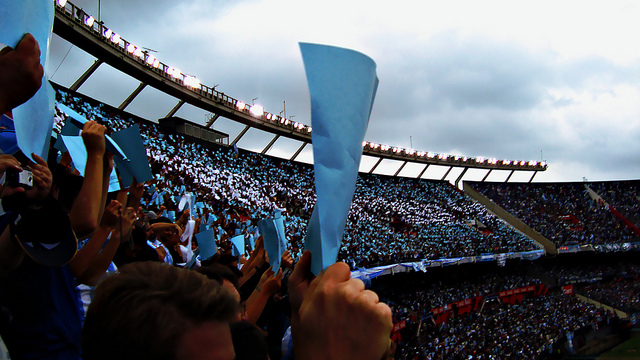 When the Argentina National team plays at Monumental de Nuñez, it shakes from its fanatic supporters / source[/caption]
 Monumental de Nuñez: home to River Plate
The Estadio Monumental Antonio Vespucio Liberti, aka the Monumental de Nuñez, is the home stadium of River Plate. A field as big as its name suggests, it’s the largest stadium in Argentina, with a capacity for 67,664 people and the official field of the Argentine Football Team. It has an impressive match history, starting with the 1978 World Cup final between Argentina and Netherlands, and including four Copa América Finals. Besides that, River Plate itself have many titles under their belts, such as 35 national and 12 intercontinental championships. Beside the stadium you’ll find the Museo River Plate, a museum that show the greatness of the club and the passion of its supporters. There’s also a guided tour that takes you to visit the stadium. [caption id="attachment_2904" align="aligncenter" width="640"]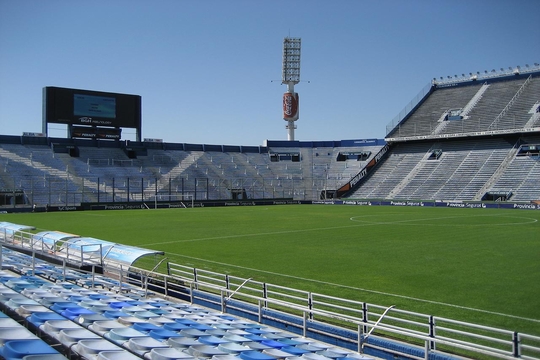 El Fortín - the little fortress. Vélez Sarsfield's true strength / source[/caption]
 El Fortín: home to Vélez Sarsfield
The home of club Vélez Sarsfield is commonly referred to as El Fortín de Liniers or simply ‘Vélez Sarsfield’. With a capacity for 49,540 spectators (although not all with guaranteed seats), this stadium also held a few matches during the 1978 World Cup and is currently the home field for the Argentina national male rugby union team. Club Vélez Sarsfield is one of highest achieving teams in Argentina, with ten national and five intercontinental cups. The stadium doesn’t have a museum, nor is it possible to do a guided tour, but it’s one of the most modern sports establishments in Argentina and a great place to watch a football match. [caption id="attachment_5749" align="aligncenter" width="640"]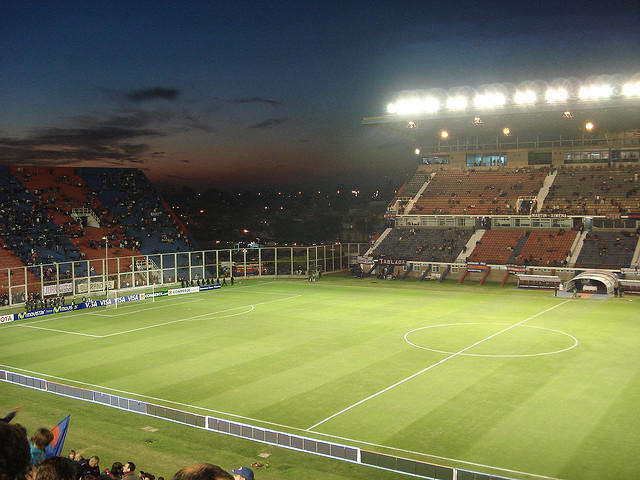 Nuevo Gasómetro, where the traditions are kept and the crows take flight over their adversaries / source[/caption]
 Nuevo Gasómetro: home to San Lorenzo
The Nuevo Gasómetro is the second home stadium for San Lorenzo. The name comes from the first stadium, which resembled a big gas tank, and was expropriated by the military government. The new stadium was built shortly afterwards in the same neighborhood to maintain tradition, with a capacity for 40,000 spectators. The club San Lorenzo de Almagro is renowned in Argentina, but not internationally, although it often participates in Copa Libertadores de América. This stadium has seen many important matches and it may not have a museum attached, but the matches played here do have loyal supporters aplenty, as the locals really embrace their team’s efforts. [caption id="attachment_5750" align="aligncenter" width="640"]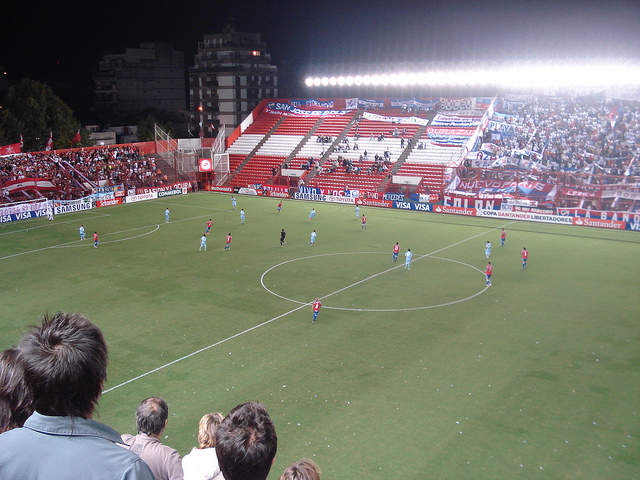 A stadium with a name like that is destined to grandness / source[/caption]
 Estadio Diego Armando Maradona: home to Argentinos Juniors
Also known as La Paternal, due the neighbourhood in which it’s located, this stadium has a capacity for 25,500 spectators and is the home of Argentinos Juniors. It’s a small, charming stadium said to hold the future of Argentine football, as it is well-known for nurturing talented football players that later become world famous. On that list is no other than Diego Armando Maradona, after whom the stadium was named, along with many others, such as Juan Pablo Sorín, Esteban Cambiasso, Diego Placente and Sergio Batista.
There’s an Argentinos Juniors Museum and you can carry out a guided tour of the stadium, which was recently renewed, so it’s a great place to see a First Division match. Besides the aforementioned stadiums, there are a number of others in the city of Buenos Aires and within Buenos Aires province. Find the one that most appeals to you and experience your First football match in Buenos Aires!By Pedro Rocha | Edited by Camilla Day
Share whith yours friends:
Tags:
football buenos aires
Search

Popular Tags
-
Iguazu Falls Brazilian Side TourfromUS$46
-
Exciting 4x4 route: São Luís and FortalezafromUS$2,250
-
-
Full Day Cafayate Tour from SaltafromUS$39
-
-
Transfer Ezeiza - AeroparquefromUS$107
-
-
-
-
-
-
-
-
Tierra del Fuego National Park Tour with Optional End of the World Train in UshuaiaRating:100% of 100fromUS$69
-
-
-
-
-
-
-
-
Daytours4u © 2012-2019. Use of this website constitutes acceptance of the Terms & Conditions.
Open Chat
Hello, How May I Help You?