
Ecuador
Galapagos Islands: Everything You Need To Know and More

Share whith yours friends:


Tags:
The Galapagos Islands, located in the Pacific Ocean, are a true natural paradise. This Ecuadorian archipelago is famous for its amazing biodiversity and its connection to Charles Darwin's theory of evolution. In this article, we will take you on a virtual journey through the Galapagos Islands and answer the most frequently asked questions travelers have about this incredible destination.
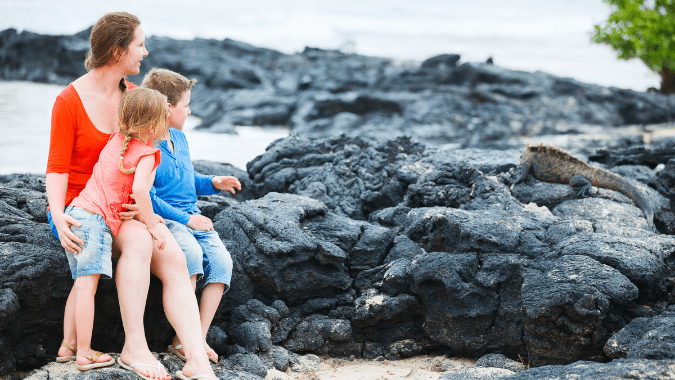
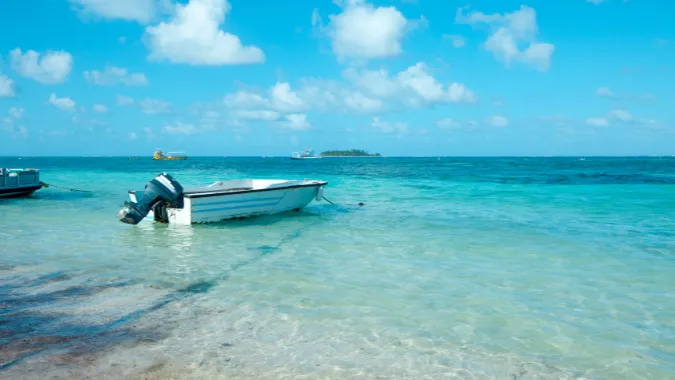
 Its natural beauty and historical importance makes the Galapagos Islands one of the most important ecosystems in the world / photo: blueorangestudio
Where are the Galapagos Islands located?
The Galapagos Islands are located in the Pacific Ocean, approximately 1,000 kilometers off the coast of Ecuador. The archipelago is composed of 18 main islands, 3 smaller islands and 107 rocks and islets. Travel Tip: Visit Isla Lobos and live an unforgettable adventure. Sail, snorkel and enjoy the wildlife - book now!When is the best time to visit the Galapagos Islands?
The best time to visit the Galapagos Islands is during the dry season, which runs from June to December. During these months, temperatures are cooler and there is less rainfall. However, the Galapagos is a fascinating year-round destination, and each season offers unique experiences, such as sea turtle mating or whale watching.What are the most outstanding species of fauna in the Galapagos Islands?
The Galapagos Islands are famous for their unique and endemic fauna. Some of the most outstanding species include giant tortoises, blue-footed boobies, Galapagos albatrosses, Galapagos penguins and marine iguanas. These fascinating creatures will allow you to experience a close encounter with wildlife. Travel Tip: Book now this full-day excursion to Bartolome, one of the most beautiful islands in the entire archipelago. Snorkel and see lava formations and volcanic cones.Is it possible to dive and snorkel in the Galapagos Islands?
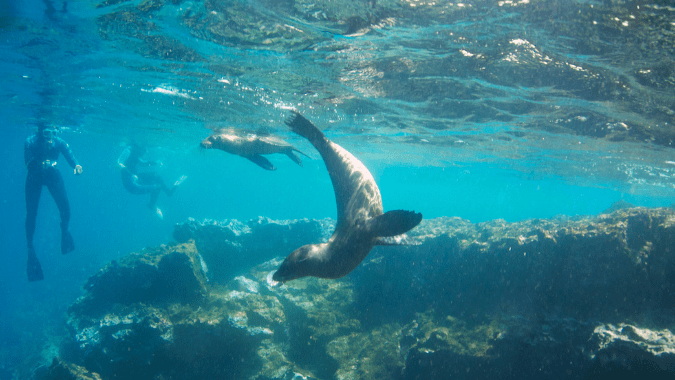
Absolutely! The Galapagos Islands are a world-class diving and snorkeling destination. Its crystal clear waters are home to a variety of marine species, including hammerhead sharks, manta rays, sea turtles and colorful tropical fish. Exploring the underwater world of the Galapagos is an unforgettable experience. Galapagos is the ideal place for snorkeling, don't miss it! / Photo: Pesky Monkey
What are the regulations for visiting the Galapagos Islands?
To preserve the unique ecosystem of the Galapagos Islands, there are strict regulations for visitors. A certified naturalist guide is required to tour certain areas and conservation rules must be followed, such as not touching or feeding the animals. In addition, there is an entrance fee to the Galapagos National Park to help in the conservation and protection of the archipelago. Travel tip: On this full day tour to San Cristobal Islands you will visit three incredible destinations. Rosa Blanca, Sardine Bay and Sleeping Lion Rock. Don't miss this opportunity!What is the historical importance of the Galapagos Islands?
In addition to their importance in the field of biology and ecology, the Galapagos Islands also have significant historical significance. It was on these islands that Charles Darwin developed his theory of evolution after observing the diversity of species and unique adaptations that exist in the archipelago. The publication of his book "The Origin of Species" revolutionized the field of biology and changed our understanding of the natural world.Are there any restrictions on visiting certain areas of the Galapagos Islands?
Yes, there are some restricted areas in the Galapagos Islands to protect their fragile ecosystem. These areas, known as "restricted visitor sites", can only be visited with guides and under strict regulations. Examples of these areas include the Galapagos Marine Reserve, which protects the breeding and feeding grounds of several marine species, and the Española Island Nature Reserve, home to a large colony of Galapagos albatrosses. Travel tip: The half-day tour to Santa Cruz Bay is an opportunity to get to know the main points of interest around Puerto Ayora. Discover it!What are the activities that can be done in the Galapagos Islands besides wildlife watching?
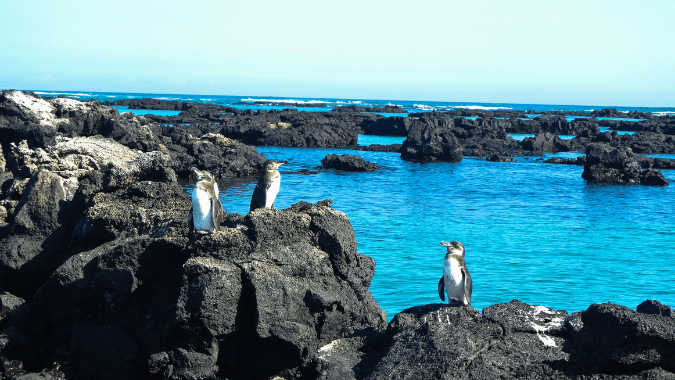
Besides wildlife watching, the Galapagos Islands offer a wide range of activities for visitors. You can explore the trails and hike through breathtaking volcanic landscapes, visit the giant tortoise breeding centers to learn about conservation efforts, kayak in the bays and mangroves, and enjoy the beautiful white sand beach on Santa Cruz Island. There are also options for scuba diving, sport fishing and surfing in certain authorized areas. Watch these cute Galapagos penguins on volcanic rocks / photo: digiStu
Is it necessary to obtain a special permit to visit the Galapagos Islands?
Yes, all visitors wishing to explore the Galapagos Islands must obtain a special permit known as a "Transit Control Card". This card is issued upon arrival at the Galapagos Islands airport and is mandatory to enter the archipelago. In addition, it is important to note that there are daily visitor limits in some protected areas, which helps to control human impact on the ecosystem. Travel tip: On this excursion to Tintoreras you will take a boat tour of the islets and snorkel in their majestic waters. Book your tour now!...
The Galapagos Islands are a natural treasure that captivates travelers with their rich biodiversity and breathtaking scenery. This article has provided answers to some of the most common questions about the Galapagos, but there is much more to discover. If you have the opportunity to visit this paradise, you are in for an unforgettable experience that will connect you with nature in its purest state. Discover everything we have to offer in Ecuador with Daytours4u and let yourself be amazed by the wonders of this beautiful country. You won't regret it!By: Daytours4u.com Content Team
Share whith yours friends:
Tags:
Search

Popular Tags
-
Iguazu Falls Brazilian Side TourfromUS$46
-
Exciting 4x4 route: São Luís and FortalezafromUS$2,250
-
-
Full Day Cafayate Tour from SaltafromUS$39
-
-
Transfer Ezeiza - AeroparquefromUS$107
-
-
-
-
-
-
-
-
Tierra del Fuego National Park Tour with Optional End of the World Train in UshuaiaRating:100% of 100fromUS$69
-
-
-
-
-
-
-
-
Daytours4u © 2012-2019. Use of this website constitutes acceptance of the Terms & Conditions.
Open Chat
Hello, How May I Help You?